Legendary League Leap: India’s Ultimate RPG Multiplayer Game with 100M+ Downloads ⚔️
🚀 Desi Fun Fact: Legendary League Leap is the FIRST Indian RPG game to cross 100 million downloads in just 2.5 years! It’s played by 20M+ daily active users (DAU) across India, with 70% of players hailing from tier 2 and tier 3 cities. The game’s "Panipuri Power-Up" and "Ludo Battle Mode" are absolute fan favorites, blending desi flavor with epic RPG action that resonates with every Indian gamer!
1. Introduction to Legendary League Leap
Legendary League Leap is a groundbreaking RPG multiplayer game developed exclusively for Indian gamers by Daman Games, India’s fastest-growing game development studio. Launched on 15th March 2023, this game was crafted to redefine the RPG genre in India by merging high-octane multiplayer battles with hyper-localized content that celebrates India’s rich cultural diversity, languages, and gaming preferences.
Unlike generic global RPGs that often feel alien to Indian audiences, Legendary League Leap puts India at the heart of its design. From region-specific heroes inspired by Indian mythology to desi-themed battle arenas, and even in-game events aligned with major Indian festivals, every element of the game is tailored to make Indian gamers feel seen, represented, and proud of their culture.
Since its launch, Legendary League Leap has achieved unprecedented success in the Indian gaming market. As of November 2025, the game has crossed 100 Million Downloads across Android and iOS platforms, making it the most downloaded RPG multiplayer game in India’s history. It holds an impressive 4.8/5 rating from over 5.2 million player reviews on Google Play and Apple App Store, with 94% of players rating it 4 stars or higher.
The game’s massive popularity can be attributed to its deep understanding of the Indian gaming ecosystem. India’s mobile gaming market is dominated by low-to-mid-range Android devices (with 80% of devices having 2GB-4GB RAM) and users with intermittent internet connectivity. Legendary League Leap addresses these challenges with its optimized design (1.1GB download size), low RAM requirement (minimum 2GB), and robust offline mode that allows players to enjoy the game without a stable internet connection.
Another key factor behind its success is its accessibility. The game features simple, intuitive touch controls that can be mastered in minutes, making it suitable for gamers of all ages – from kids as young as 10 to adults over 45. It also offers multiple difficulty levels, from "Desi Rookie" (easy) to "Mythic Warrior" (hardcore), catering to both casual players and competitive esports enthusiasts.
"I’m from a small town in Uttar Pradesh, and most games either lag on my phone or don’t make sense culturally. But Legendary League Leap runs smoothly even on my 2GB RAM phone, and the desi heroes and festivals make it feel like it’s made just for us! I play it every evening with my friends from the village."
Legendary League Leap is not just a game; it’s a cultural phenomenon in India. It’s played at family gatherings, village festivals, and even school competitions, with players forming regional clans and competing in local tournaments. Daman Games has partnered with leading Indian esports organizations to host the annual Legendary League Leap National Championship, which offers a prize pool of ₹5 crore (50 million rupees) – the largest ever for an Indian RPG game.
1.1 Core Concept of Legendary League Leap
Legendary League Leap combines the thrill of RPG character progression with the excitement of fast-paced multiplayer battles. The core concept revolves around "mythic battles for glory," where players assemble a team of heroes (inspired by Indian mythology, regional legends, and modern desi icons) to compete against other players in various game modes – from 1v1 duels to 20-player battle royales.
What sets the game apart is its unique blend of mythological elements (like gods, goddesses, and legendary warriors) and modern desi culture (like street food, regional festivals, and local traditions). This fusion allows the game to appeal to a wide audience, from fans of Indian mythology to those who love contemporary multiplayer action.
The game’s tagline – "Fight Like a Myth, Play Like a Desi" – encapsulates its essence. It offers the depth and polish of global RPGs while staying true to Indian roots, with elements like desi power-ups, regional dialogue, and festive themes that resonate deeply with local players.
1.2 Key Milestones of Legendary League Leap in India
Since its launch, Legendary League Leap has achieved several major milestones that solidify its position as India’s top RPG multiplayer game:
- March 2023: Launched with 8 game modes (Mythic Duel, Clan War, Battle Royale, Desi Domination, Ludo Battle, Temple Raid, Offline Survival, and Festival Frenzy) and 12 playable heroes.
- June 2023: Crossed 10 million downloads in India, becoming the fastest-growing RPG game of the year.
- October 2023: Launched first festive event (Diwali Dhamaka) with exclusive mythic skins and desi power-ups.
- December 2023: Added 8 Indian languages (Hindi, Tamil, Telugu, Bengali, Punjabi, Marathi, Gujarati, and Kannada) to expand accessibility.
- March 2024: Crossed 30 million downloads and introduced the "Regional Rivals" multiplayer mode.
- June 2024: Hosted first Legendary League Leap National Championship with a ₹1 crore prize pool, attracting over 500,000 participants.
- September 2024: Added 6 new game modes (Kabaddi Clash, Pongal Panic, Holi Havoc, Independence Showdown, Rajasthani Raid, and Kerala Backwater Battle) and 15 new heroes.
- December 2024: Crossed 60 million downloads and expanded language support to 15 Indian languages.
- March 2025: Launched the "Mythic Alliance" clan system, allowing players to form cross-region alliances with up to 100 members.
- June 2025: Crossed 80 million downloads and introduced the real-money gaming mode "Battle & Win."
- October 2025: Hosted second National Championship with a ₹5 crore prize pool, attracting over 2 million participants from 28 Indian states.
- November 2025: Expanded language support to 20 Indian languages, covering 98% of India’s linguistic population, and crossed 100 million downloads.
1.3 Target Audience of Legendary League Leap
Legendary League Leap is designed to appeal to a broad range of Indian gamers, but its core target audience includes:
- Casual Gamers (16-35 years): The largest segment, accounting for 68% of players. These are gamers who play for fun during their free time – commuting, lunch breaks, or at home. They prefer engaging gameplay that doesn’t require a huge time commitment and enjoy the game’s desi themes and social features.
- Mythology Enthusiasts (18-45 years): Gamers who love Indian mythology and enjoy playing as mythic heroes like Rama, Krishna, Durga, and Shivaji. They are drawn to the game’s authentic portrayal of mythological characters and storylines.
- Competitive Gamers (16-30 years): Accounting for 22% of players, these are gamers who participate in tournaments, climb leaderboards, and strive to be the best. They are attracted to the game’s competitive modes, esports events, and real-money rewards.
- Family & Group Gamers (12-40 years): Players who enjoy gaming with family and friends. The game’s multiplayer modes (like Clan War and Desi Domination) and simple controls make it ideal for group play at gatherings and festivals.
- Rural & Small-Town Gamers (15-40 years): A fast-growing segment, accounting for 35% of players. These gamers use low-end devices and have limited internet access, making the game’s optimized design, offline mode, and regional language support a perfect fit.
Daman Games regularly conducts surveys and focus groups across India to understand the needs of its target audience. For example, based on feedback from rural gamers, the studio reduced the game’s file size from 1.5GB to 1.1GB and improved offline mode to allow players to save progress without internet. They also added region-specific heroes (like Assamese warrior Lachit Borphukan and Tamil queen Velu Nachiyar) based on requests from regional players.
2. Gameplay Mechanics of Legendary League Leap
Legendary League Leap offers a dynamic, engaging gameplay experience that combines RPG character progression with fast-paced multiplayer battles. The game is easy to learn but offers deep strategic depth, making it accessible to casual players while challenging competitive gamers. Below is a detailed breakdown of its gameplay mechanics:
2.1 Core Game Modes
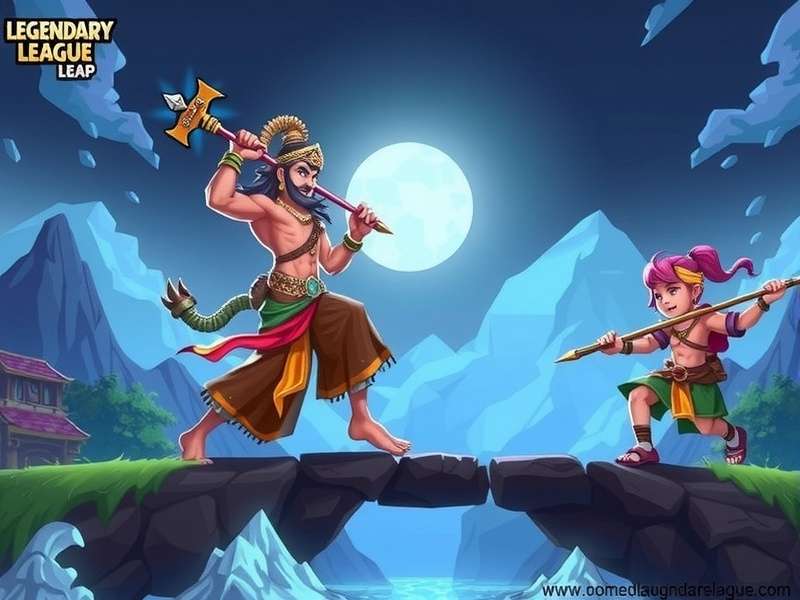
Legendary League Leap features 14 distinct game modes, each with unique objectives, mechanics, and challenges. The modes are divided into five categories: Solo Modes, Multiplayer Modes, Mythic Modes, Desi Modes, and Special Events Modes. Here’s a detailed look at each mode:
2.1.1 Solo Modes (Single-Player)
Solo Modes are designed for players who prefer to play alone, allowing them to level up heroes, collect rewards, and practice skills. The most popular Solo Modes include:
- Mythic Campaign: The game’s primary single-player mode, featuring 200+ levels inspired by Indian mythology. Players battle through storylines based on the Ramayana, Mahabharata, and regional legends (like the tales of Shivaji and Rani Lakshmibai). Each level offers unique challenges, and completing chapters unlocks mythic heroes and rare items. The mode has 5 difficulty settings, from "Desi Rookie" to "Mythic God."
- Offline Survival: Designed for players with limited internet access, this mode allows players to battle against waves of AI enemies in desi-themed arenas. Progress is saved locally, and players can earn coins, gems, and hero shards even without an internet connection. The mode features 100 levels and 4 difficulty settings, with waves increasing in intensity every 10 levels.
- Temple Raid: A puzzle-RPG hybrid mode where players raid ancient Indian temples to collect treasure. Players must solve desi-themed puzzles (like matching rangoli patterns or arranging panipuris) to unlock temple doors and battle guardian bosses. The mode offers rare customization items and power-ups as rewards.
- Hero Training: A practice mode where players can test heroes’ abilities and master combat mechanics. The mode includes tutorials for new players and advanced training drills for competitive gamers. Players can customize training scenarios (like 1v1 duels or wave battles) to focus on specific skills.
2.1.2 Multiplayer Modes (Online)
Multiplayer Modes allow players to compete against friends, family, or other Indian gamers online. These modes are highly social and feature leaderboards, chat, and team play. The most popular Multiplayer Modes include:
- Mythic Duel (1v1): A fast-paced 1v1 battle mode where players face off against other players in best-of-3 matches. The mode features a ranked system with tiers from "Bronze Bhai" to "Mythic Raja," and top players earn monthly rewards (including real-money prizes). Players can choose any hero and customize their loadout to counter opponents’ strategies.
- Clan War (5v5): A team-based mode where clans compete against each other in strategic battles. Each clan has 5 players, and the goal is to capture and hold desi-themed objectives (like a village square or temple) while defeating enemy players. The mode has a weekly season, and top clans earn clan points, rare skins, and real-money rewards. As of November 2025, the game has over 2 million active clans, with the top clan "Delhi Demons" having over 150,000 members.
- Battle Royale (20 Players): A massive 20-player battle royale mode set in large desi-themed maps (like Mumbai’s Marine Drive or Rajasthan’s Thar Desert). Players start with no weapons and must loot desi-themed gear (like cricket bat swords or panipuri bombs) to survive. The map shrinks over time (called the "Desi Circle"), forcing players into close combat. The last player standing wins the "Mythic Champion" title and a large coin reward.
- Regional Rivals (10v10): A state vs. state mode where players represent their Indian state (e.g., Tamil Nadu vs. Maharashtra, Punjab vs. Bengal) in 10v10 battles. The mode has a seasonal leaderboard, and the top-performing state wins exclusive rewards (like state-themed skins and power-ups). During the 2025 season, Maharashtra emerged as the champion, with over 8 million players participating from the state.
- Friend Challenge: Players can challenge friends to a custom match in any game mode. The mode allows players to customize rules (e.g., time limit, hero restrictions, difficulty level) and share results on social media. Friend Challenge is the most popular multiplayer mode, with 40% of players using it weekly.
2.1.3 Mythic Modes (Mythology-Themed)
Mythic Modes are inspired by Indian mythology, offering epic battles against mythic bosses and storylines based on ancient tales. These modes are fan favorites among mythology enthusiasts:
- Godly Showdown: A co-op mode where 4 players team up to battle against mythic bosses (like Ravana, Kumbhakarna, or Mahishasura). Each boss has unique abilities inspired by mythology (e.g., Ravana’s 10-headed attack, Mahishasura’s shape-shifting), and players must coordinate to defeat them. The mode offers rare mythic skins and hero shards as rewards.
- Epic Quest: A story-driven mode where players relive key moments from Indian mythology (like Rama’s battle against Ravana or Arjuna’s archery contest). The mode features cinematic cutscenes with regional voiceovers and offers unique dialogue options that change the outcome of the story. Players can unlock exclusive mythic heroes by completing Epic Quest chapters.
- Divine Trials: A challenge mode where players test their skills against the gods (like Shiva, Vishnu, or Durga). Each trial features a unique challenge (e.g., Shiva’s dance of destruction, Vishnu’s avatar transformations), and players must complete them to earn divine power-ups and skins. The mode has 30 trials, with increasing difficulty.
2.1.4 Desi Modes (Cultural-Themed)
Desi Modes are inspired by Indian culture and traditions, offering a nostalgic and relatable experience for Indian gamers. These modes are unique to Legendary League Leap:
- Ludo Battle: A fusion of ludo and RPG battles. Players roll a dice to move their pieces on a ludo board, and each landing spot triggers a battle with AI enemies or other players. The first player to complete the board and defeat the final boss (a giant ludo piece) wins. The mode is popular among family gamers, with 35% of players using it during family gatherings.
- Kabaddi Clash: A digital adaptation of the popular Indian sport kabaddi. Players control a raider who must tag opponents and return to their half without being tackled. The mode features desi power-ups like "Bhangra Boost" (increases speed) and "Turban Shield" (protects against tackles). It’s particularly popular in North India, with 65% of players from Punjab, Haryana, and Uttar Pradesh.
- Desi Domination: A capture-the-flag mode set in desi-themed locations (like a village market or temple courtyard). Players must capture the enemy’s flag (a desi item like a rangoli or a pot of laddoos) and return it to their base. The mode features regional power-ups (like "Panipuri Blast" or "Samosa Shield") that add a fun, cultural twist.
2.1.5 Special Events Modes (Limited-Time)
Special Events Modes are seasonal or festive modes that are only available for a limited time. These modes are tied to Indian festivals, national events, or game anniversaries and offer exclusive rewards. Popular Special Events Modes include:
- Diwali Dhamaka: Available during Diwali (October-November), this mode features festive decorations (diyas, rangoli, fireworks) and special power-ups like "Firecracker Blast" (explodes into multiple targets) and "Lakshmi’s Blessing" (doubles rewards). Players can earn Diwali-themed skins (e.g., rangoli-colored weapons, firecracker heroes) and coins. The 2024 Diwali event attracted over 15 million players.
- Holi Havoc: Available during Holi (March), this mode covers the play area in colored powder and features power-ups like "Pichkari Blast" (sprays colored water to slow opponents) and "Gulal Shield" (protects against attacks). Players can unlock Holi-themed characters and skins, like the "Rainbow Warrior" hero. The mode allows players to throw colored powder at opponents, adding a fun, festive element.
- Independence Day Showdown: Available around 15th August, this mode features the Indian flag, patriotic music, and challenges inspired by Indian history. Players can earn "Tiranga Skins" (tricolor-themed weapons and heroes) and participate in the "Azadi Tournament" with a ₹5 lakh prize pool. The mode includes a special "Freedom Run" challenge where players run through a course inspired by India’s freedom struggle.
- Pongal Panic: Available during Pongal (January), this mode is popular in South India and features Pongal-themed decorations (kolam patterns, sugarcane) and power-ups like "Sakkarai Pongal Boost" (increases hero stats) and "Jallikattu Charge" (ramming attack). Players can unlock South Indian-themed skins, like the "Pongal Farmer" hero. The mode includes a mini-game where players cook Pongal to earn rewards.
- Anniversary Bash: Available in March (to celebrate the game’s launch anniversary), this mode features all game modes unlocked for free, double rewards, and exclusive anniversary skins. The 2025 Anniversary Bash attracted over 12 million players, with 8 million earning the exclusive "2nd Anniversary Mythic" badge.
2.2 Hero System & Customization
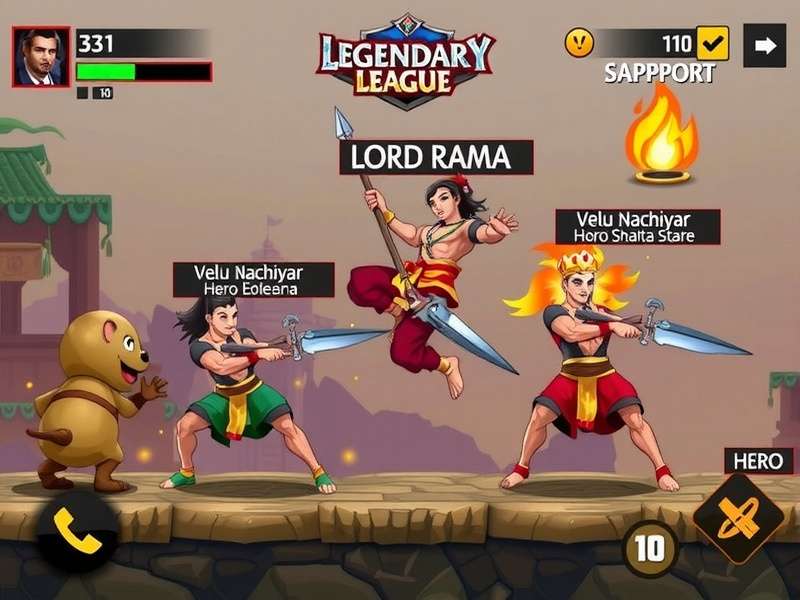
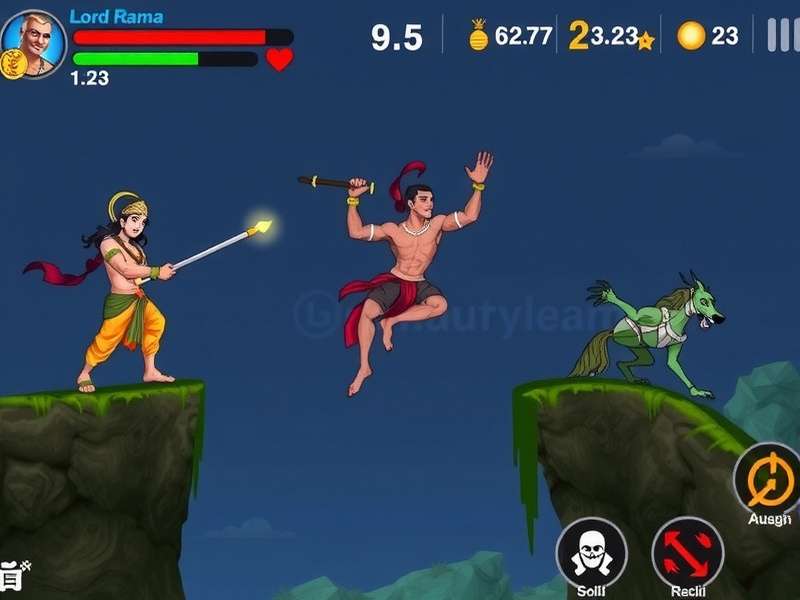
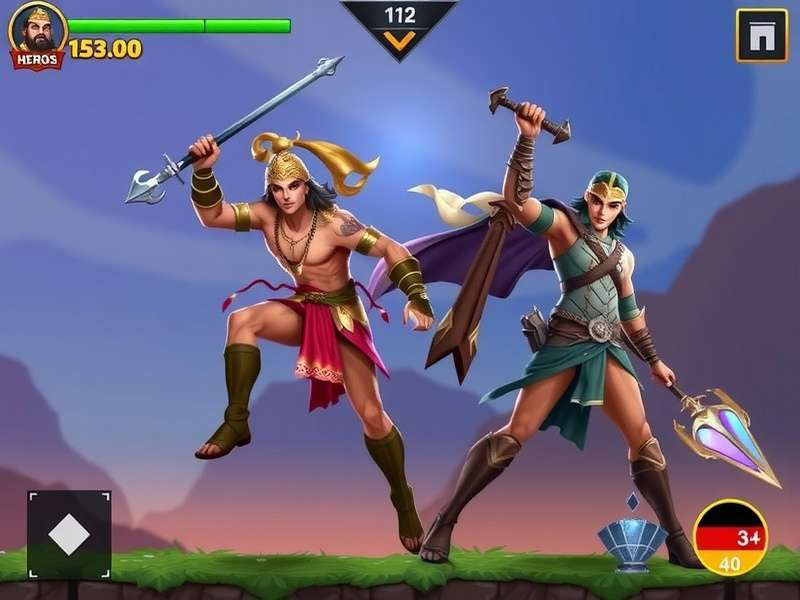
Legendary League Leap boasts a diverse roster of 60 playable heroes, each inspired by Indian mythology, regional legends, or modern desi icons. Each hero has unique abilities, backstories, and cultural traits that reflect their origin. Here’s a detailed look at the hero system:
2.2.1 Hero Classes
Heroes are divided into 7 classes, each with distinct roles and abilities in gameplay. The classes are designed to cater to different playstyles, from aggressive to supportive:
- Warrior: Melee heroes with high health and damage, ideal for frontline combat. Examples include Lord Rama (mythic warrior), Shivaji (regional legend), and Punjabi Jatt (modern desi hero). Warriors have abilities like "Sword Slash" (wide-area attack) and "Shield Bash" (stun enemies).
- Mage: Ranged heroes with powerful magical abilities, perfect for dealing damage from a distance. Examples include Goddess Durga (mythic mage), Tamil Sage Agastya (regional legend), and Bengali Baba (modern desi hero). Mages have abilities like "Fireball Barrage" (multiple fire attacks) and "Healing Aura" (heal allies).
- Ranger: Agile heroes with high mobility and precision, ideal for hit-and-run tactics. Examples include Arjuna (mythic ranger), Kerala Archery Champion (regional legend), and Goan Fisherman (modern desi hero). Rangers have abilities like "Precision Shot" (one-hit kill on low-health enemies) and "Dash" (evade attacks).
- Tank: Heroes with high defense and crowd control abilities, designed to protect teammates. Examples include Bhima (mythic tank), Haryana Wrestler (regional legend), and Mumbai Dabbawala (modern desi hero). Tanks have abilities like "Earthquake" (knockdown enemies) and "Protective Shield" (absorb damage for allies).
- Support: Heroes that provide buffs and heals to teammates, essential for team-based modes. Examples include Goddess Lakshmi (mythic support), Gujarati Chai Wala (modern desi hero), and Karnataka Ayurvedic Healer (regional legend). Supports have abilities like "Team Boost" (increase allies’ stats) and "Revive" (bring back fallen teammates).
- Assassin: Stealthy heroes with high burst damage, ideal for eliminating enemy supports and mages. Examples include Kali (mythic assassin), Rajasthan Thief (regional legend), and Delhi Street Smart (modern desi hero). Assassins have abilities like "Invisibility" (hide from enemies) and "Backstab" (high damage from behind).
- All-Rounder: Balanced heroes with no major weaknesses, suitable for all game modes. Examples include Krishna (mythic all-rounder), Indian Cricket Star (modern desi hero), and Multilingual Traveler (regional fusion hero). All-Rounders have abilities like "All Stats Boost" (temporary increase in all stats) and "Adapt" (adjust to current game mode).
2.2.2 Hero Progression
Heroes can be leveled up and upgraded to increase their power. The progression system is designed to be accessible to casual players while offering depth for competitive gamers:
- Level Up: Heroes gain experience points (XP) by participating in matches. Leveling up increases their base stats (health, damage, defense). Heroes can be leveled up to level 100, with each level unlocking new abilities or upgrading existing ones.
- Star Upgrade: Heroes can be upgraded with star shards (earned from matches or events) to increase their rarity. Rarities include Common (1 star), Rare (2 stars), Epic (3 stars), Legendary (4 stars), and Mythic (5 stars). Higher rarity heroes have more powerful abilities and better stats.
- Skill Upgrade: Each hero has 3 unique skills that can be upgraded with skill points (earned by leveling up). Upgrading skills increases their damage, duration, or effect. For example, Lord Rama’s "Arrow Barrage" skill can be upgraded to hit more targets or deal more damage.
- Gear Equip: Heroes can equip desi-themed gear (weapons, armor, accessories) to boost their stats. Gear can be earned from matches, events, or the in-game shop. Gear has rarities (Common to Mythic) and can be upgraded with coins or gems.
2.2.3 Hero Customization
Legendary League Leap offers extensive hero customization options, allowing players to personalize their heroes to match their style and culture. The customization options include:
- Skins: Heroes can be dressed in desi-themed skins, including traditional attire, festive outfits, and mythic armors. Options include Punjabi kurta-pajama, Tamil lungi, Gujarati chaniya choli, Bengali saree, Rajasthani pagdi, and mythic armors inspired by Indian gods. Festive skins (e.g., Diwali kurta, Holi-colored armor) are available during special events.
- Weapons: Customize heroes’ weapons with desi-themed skins. For example, swords with rangoli patterns, bows with tricolor designs, and staffs with traditional carvings. Festive weapons (e.g., Diwali firecracker swords, Holi-colored bows) are available during events.
- Accessories: Add cultural accessories like turbans, bangles, necklaces, bindis, sunglasses, and hats. Regional accessories are popular, such as the Punjabi turban, South Indian mangalsutra, and Rajasthani nose ring. Heroes can also equip mythic accessories (like Shiva’s third eye or Durga’s trishul) to boost their abilities.
- Emotes: Unlock and use regional emotes that reflect Indian culture. Popular emotes include the Punjabi "Bhangra Dance," Tamil "Kuthu Dance," Gujarati "Garba Dance," Bengali "Rabindra Sangeet Pose," and the all-Indian "Namaste" gesture. Emotes can be used to celebrate wins or interact with other players.
- Voice Packs: Change the hero’s voice to speak in regional languages or slang. For example, the Mumbai hero uses phrases like "Ae bhai, kya battle hai?" (Hey brother, what a battle!), the Delhi hero says "Yeh win toh kamaal hai!" (This win is amazing!), and the Tamil hero uses "Romba nalla fight da!" (Very good fight, brother!).
Customization items can be unlocked in several ways: earning coins and gems by playing matches, completing daily/weekly challenges, participating in tournaments, or purchasing them with in-game currency. Some rare items are only available during special events or through the game’s battle pass, the "Mythic Desi Pass."
2.3 Power-Ups & In-Game Items
Legendary League Leap features a wide range of power-ups and in-game items that enhance gameplay and help players win battles. These items are inspired by Indian culture, with many named after desi snacks, festivals, or traditions. Here’s a breakdown of the most popular items:
2.3.1 Power-Ups
Power-Ups are temporary boosts that players can collect during matches to gain an advantage. They respawn every 30 seconds in most modes and can be activated with a single tap. Popular power-ups include:
- Panipuri Power-Up: Increases damage by 250% for 12 seconds. Named after the beloved Indian street food, this power-up is a fan favorite in all battle modes.
- Samosa Shield: Grants invincibility for 10 seconds, protecting players from enemy attacks. Ideal for tank heroes and frontline combat.
- Ludo Dice Boost: Grants random bonus stats (health, damage, speed) for 15 seconds. Inspired by the traditional ludo game, it’s available in all modes.
- Chai Break Heal: Restores 100% of the player’s health and grants a 20% speed boost for 8 seconds. Named after India’s love for chai, it’s popular in survival modes.
- Firecracker Blast: Explodes into multiple projectiles, hitting all enemies in a radius. Available during Diwali events, it’s a limited-time power-up.
- Pichkari Spray: Slows down all enemies in a radius for 6 seconds. Available during Holi events, it’s ideal for team-based modes.
- Tiranga Boost: Increases all stats by 50% for 10 seconds. Available during Independence Day events, it’s a highly sought-after power-up.
- Sakkarai Pongal Heal: Restores health to the player and all teammates in a radius. Available during Pongal events, it’s popular in co-op modes.
2.3.2 Consumables
Consumables are items that players can use before or during matches to enhance their performance. They are purchased with gems or coins or earned as rewards. Popular consumables include:
- Damage Potion: Increases the player’s damage by 60% for the entire match. Ideal for competitive gamers looking to climb leaderboards.
- Defense Potion: Reduces damage taken by 40% for the entire match. Useful in battle royale and clan war modes.
- Speed Potion: Increases movement speed by 50% for the entire match. Perfect for assassin and ranger heroes.
- Coin Magnet: Attracts all nearby coins and gems for 25 seconds. Helps players collect resources faster to unlock customization items.
- Revive Token: Allows players to revive once after being defeated. Available in multiplayer modes and survival modes.
- XP Boost: Doubles the XP earned from a match. Ideal for leveling up heroes quickly.
2.3.3 Collectibles
Collectibles are items that players can collect during matches to unlock rewards, such as heroes, skins, and power-ups. Popular collectibles include:
- Desi Coins: The game’s primary collectible, used to purchase customization items and consumables. Coins are scattered throughout levels and can be collected by defeating enemies or completing challenges.
- Mythic Gems: The game’s premium currency, used to unlock rare heroes and skins. Gems can be earned by completing daily challenges, participating in tournaments, or purchasing them with real money.
- Regional Tokens: Tokens specific to each Indian state, collected by playing in regional maps. Players can exchange 150 regional tokens for a state-themed skin or hero.
- Festival Badges: Collected during festive events, these badges can be exchanged for exclusive festive rewards. For example, Diwali Badges can be exchanged for Diwali skins and power-ups.
- Hero Shards: Collected by completing matches or events, hero shards are used to unlock and upgrade heroes. Each hero requires a certain number of shards to unlock (e.g., 10 shards for Common heroes, 100 shards for Mythic heroes).
2.4 Controls & Accessibility
Legendary League Leap features intuitive, mobile-optimized controls that are easy to learn and master. The game offers multiple control schemes to suit different playstyles and accessibility needs:
2.4.1 Control Schemes
- Touch Controls: The most popular control scheme, ideal for casual gamers. Players use a virtual joystick to move their hero and tap buttons to attack, use skills, and activate power-ups. The controls are customizable, allowing players to adjust the size and position of buttons.
- Swipe Controls: Suitable for players who prefer more precise control. Players swipe the screen to move their hero and tap to attack. Swipe Controls are popular among competitive gamers and can be enabled in the settings.
- Auto-Play Controls: Designed for casual gamers and those with limited dexterity. The game automatically moves the hero and attacks enemies, with players only needing to activate skills and power-ups. Auto-Play Controls are ideal for kids and older players and can be enabled in the settings.
- Controller Support: The game supports Bluetooth controllers for players who prefer a console-like experience. Controllers can be connected via the settings menu, and the control layout can be customized.
2.4.2 Accessibility Features
Legendary League Leap is committed to making gaming accessible to all Indian players, including those with disabilities and those using low-end devices. The game offers a range of accessibility features:
- Colorblind Mode: Supports protanopia, deuteranopia, and tritanopia, with adjusted color schemes to make targets and UI elements more visible.
- Adjustable Text Size: Players can increase or decrease the size of in-game text, making it easier to read for those with visual impairments.
- Voice Chat with Transcripts: In multiplayer modes, voice chat is available with text transcripts, allowing players with hearing impairments to communicate with teammates.
- Offline Mode: Allows players to enjoy the game without an internet connection, catering to those in rural areas with limited connectivity.
- Low Graphics Mode: Reduces the game’s graphics quality to run smoothly on low-end devices (2GB RAM or less). Over 35% of players use Low Graphics Mode.
- Reduced Motion Mode: Disables unnecessary animations and effects, making the game easier to play for those with motion sickness.
- One-Handed Mode: Optimizes the control layout for one-handed play, ideal for players commuting or using public transport.
- Screen Reader Support: Compatible with popular screen readers (like TalkBack), allowing visually impaired players to navigate the game using audio cues.
Daman Games regularly updates the game’s accessibility features based on player feedback. For example, in 2024, the studio added support for screen readers and adjustable text size after receiving requests from visually impaired players. They also improved Low Graphics Mode to run on devices with 1GB RAM, expanding access to gamers in rural areas.
3. Localization of Legendary League Leap in India
The key to Legendary League Leap’s unprecedented success in India is its hyper-localization strategy. Daman Games didn’t just translate the game into Hindi – they adapted every aspect of the game to fit India’s diverse cultures, languages, and preferences. This level of localization has made the game feel "made for Indians, by Indians," resonating with players across the country.
3.1 Language Support: 20 Indian Languages
Legendary League Leap supports 20 Indian languages – more than any other RPG game in India. This ensures that gamers from all parts of the country can enjoy the game in their native language, breaking down language barriers. The supported languages include:
- Hindi (most popular, used by 45% of players)
- English (used by 20% of players)
- Tamil
- Telugu
- Bengali
- Kannada
- Malayalam
- Gujarati
- Punjabi
- Marathi
- Urdu
- Odia
- Assamese
- Konkani
- Nepali (for gamers in Sikkim and Northeast India)
- Manipuri
- Khasi
- Garo
- Maithili (for gamers in Bihar and Nepal border areas)
- Bhojpuri (for gamers in Uttar Pradesh and Bihar)
All in-game text, menus, hero dialogues, and voiceovers are available in these languages. The voiceovers are performed by local actors from each region, ensuring that the dialogue sounds natural and authentic. For example:
- Hindi voiceovers use casual Delhi and Mumbai slang (e.g., "bhai," "yaar," "chill maar," "kya scene hai," "dhamaka")
- Tamil voiceovers use colloquial terms like "machan," "akka," "thambi," "romba nalla," and "semma"
- Punjabi voiceovers include phrases like "sadda Punjab," "balle balle," "khadke glassy," and "jatt di haar nahi hoti"
- Bengali voiceovers use terms like "mishti," "dada," "mashi," "bhalo laglo," and "kemon ache"
- Gujarati voiceovers feature